Classification: Butterflies are insects belonging to the order Lepidoptera, which also includes moths. They are known for their vibrant colors, delicate wings, and graceful flight.
Life Cycle: Butterflies undergo a complete metamorphosis, starting as eggs, then transforming into caterpillars, pupae (chrysalis), and finally emerging as fully formed adult butterflies.
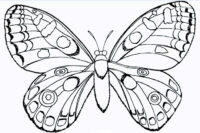
Wings and Colors: Butterflies are recognized for their intricate wing patterns and beautiful colors. Their wings are covered with tiny scales that create the vibrant designs we see. These patterns serve various purposes, including camouflage, mate attraction, and warning signals.
Habitat and Distribution: Butterflies are found in various habitats worldwide, including forests, meadows, and gardens. Different species have specific habitat preferences, and their distribution can vary depending on climate and food availability.
Feeding Habits: Butterflies typically feed on nectar from flowers using their long proboscis, a straw-like mouthpart. They play an essential role in pollination, transferring pollen from one flower to another.
Migration: Some butterfly species undertake long-distance migrations, traveling thousands of kilometers in search of suitable breeding grounds or better food sources.
Symbolism: Butterflies are often associated with transformation, beauty, and freedom. They are a common symbol in art, literature, and cultural beliefs, representing growth, change, and the transient nature of life.
Snails:
Classification: Snails are gastropod mollusks, characterized by their coiled shells and muscular foot. They belong to the class Gastropoda, which also includes slugs.
Shells: Snails have a unique feature—their shells—which provide protection and serve as their homes. The shells are formed by calcium carbonate and grow as the snail matures.
Habitat and Diet: Snails are found in diverse environments, including gardens, forests, deserts, and aquatic habitats. They have a wide range of diets, with some species being herbivorous, feeding on plants, while others are omnivorous or carnivorous.
Slime: Snails produce a slimy mucus secretion that helps them move smoothly across surfaces and protects them from drying out. The slime also plays a role in aiding locomotion and assisting in defense.
Reproduction: Snails are hermaphrodites, meaning they have both male and female reproductive organs. However, they still require a partner to reproduce, as they exchange sperm during mating.
Adaptations: Snails have evolved various adaptations to their environments, including their shell shape, coloration, and behavior. Some species can retract into their shells for protection, while others have specialized radula (a feeding organ) for scraping food.
Environmental Indicators: Snails are sensitive to changes in their environment, particularly to factors like pollution, habitat loss, and climate change. As such, they are often studied as bioindicators to assess the health of ecosystems.
Both butterflies and snails have unique characteristics and play important roles in their respective ecosystems. Their diversity and fascinating adaptations make them intriguing subjects of study and appreciation in the natural world.
Rating: 4 · (2)
One Comment
Snail food is a food that has become famous in France and is still the most consumed in France.














Snail food is a food that has become famous in France and is still the most consumed in France.